
At some point during my college years, I started going for long walks in the rain. While this practice may sound strange to you, it wasn’t that unusual as far as I was concerned. I’d loved rainfall for as long as I could remember. Everything about it was magical to me – the pattering of droplets on windowpanes and pavement, the smell of damp soil, the drumbeat of distant thunder. As a teenager, I would open the door of my family’s garage and set up a folding chair so I could sit and watch the rain. I couldn’t have disagreed more with folks who grumbled about stormy weather. In my mind, rain was cause for rejoicing.
As my rainy-day walks grew into a habit, my relationship with rain started to change. On these trips, I would often talk with God about things that were weighing on my heart. I told him about my loneliness and my aimlessness, about my desire for romance and my regrets after break-ups, about my concerns for my family and my worries about the future. Over time, these walks became spaces set aside for longing and lament – times for pondering what might have been and wrestling with God about what might yet be. Somehow, amidst the sights and sounds and smells of rainfall, the notion that God was “near to the brokenhearted” (Psalm 34:18) seemed a little bit easier to believe.
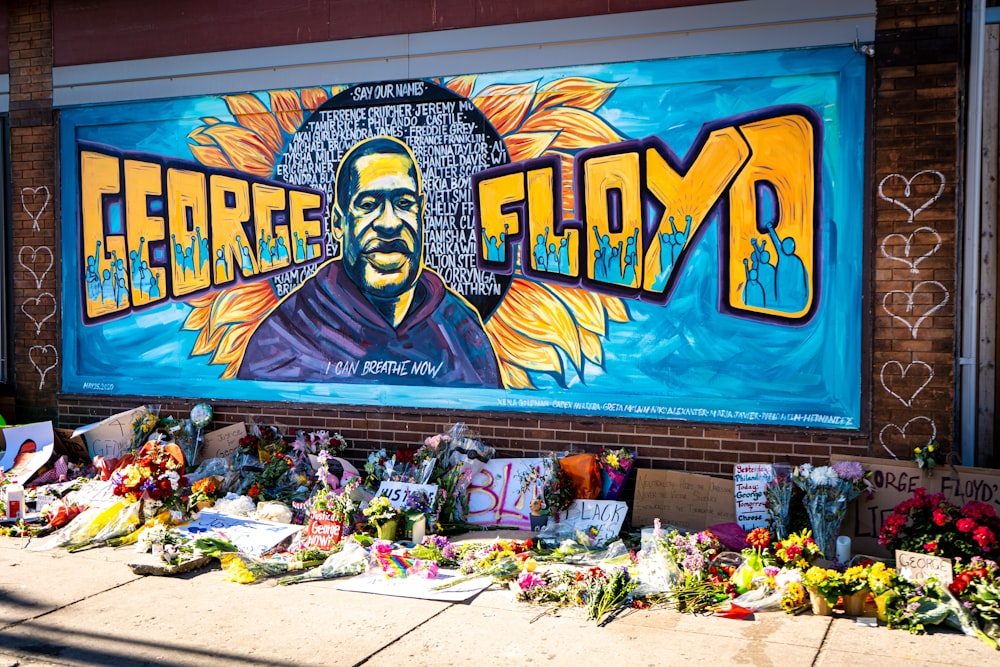
For many people, these past few months have been a time of deep sorrow. Some are grieving the loss of loved ones whose lives were cut short by COVID-19. Others are lamenting painful changes that followed in the wake of the virus, upending life as they knew it. Still others are mourning the wounds of systemic racism, which have haunted our nation’s history since the days of slavery and run far deeper than many of us have been taught to believe. Recently, my own family has been struggling with the effects of chronic illness – a degenerative disease that kept my mother bedridden throughout quarantine. In Philippians 4:4, we read these words: “Rejoice in the Lord always. I will say it again: rejoice!” Yet, in rainy seasons, when storms roll in and refuse to let up, we might find ourselves wondering whether this command is at all possible to fulfill.
During these months of pandemic and protest, I’ve been digging into the music of my favorite band: Counting Crows. I discovered their debut album August & Everything After a couple years ago (as a youngster born mid-way through the ’90s, I came late to the party). While I wasn’t sure what to make of it initially, it has slowly become one of my all-time favorite records. I happen to think it’s one of the best records ever made. Recently, God has been using this album to teach me some surprising truths about mourning, melancholy, and the art of rejoicing in the rain.
The Discipline of Mourning

Lyrically and thematically, August & Everything After is saturated with rainfall. Rain or storms are mentioned in five of the songs, including the titles “Rain King” and “Raining in Baltimore.” The album is autobiographical, taking its title from the month when lead singer and lyricist Adam Duritz was born. On the whole, it’s an exercise in mourning. Duritz is famous for writing melancholy ballads, andhis band’s debut record is chock-full of sad, sad songs. With startling honesty, Duritz invites listeners into his personal sorrows: his battle with loneliness, his struggle with mental illness, and his romantic heartbreaks. Sadness isn’t peripheral for Duritz. It’s a badge that he wears on his sleeve – a characteristic as recognizable as his dreadlocks. In a sense, the songwriter has built a career out of walking in the rain.
While some critics have dismissed Counting Crows’ songs as unnecessarily dismal, the band has stayed true to their artistic vision, refusing to cater to music industry trends. Their work isn’t confined by its mournful tone. Rather, the songs of August & Everything After are bold explorations of the caves and chasms in the human heart. Traveling where few dare to tread, Duritz is able to pen lyrics that are at once vulnerable and profound, like these lines from “Perfect Blue Buildings”:
I’ve got bones beneath my skin, Mister
There’s a skeleton in every man’s house
Beneath the dust and love and sweat that hang on everybody
There’s a dead man trying to get out
Or take these lines from “Raining in Baltimore,” which describe the challenge of reckoning with grief in a world that feels oblivious to our losses:
I get no answers and I don’t get no change
It’s raining in Baltimore, baby
But everything else is the same
Like the songs of August & Everything After, the pages of Scripture are soaked through with the practice of mourning. The ragged ache of Duritz’s vocals echoes the groans of the psalmists, who regularly cried out to God with songs of lament. These works of art, which were marked by brutal honesty, were expressions of both individual sorrow and communal grief. The sheer volume of lament songs in Scripture reveals the psalmists’ belief that there was “a time to weep” (Ecclesiastes 3:4) – that rainy seasons were intrinsic to life under the sun. Jesus himself spoke about lament, teaching his followers that those who mourn are “blessed” by their creator (Matthew 5:4). In the Beatitudes, we see that mourning is a spiritual discipline that is meant to be cultivated. Like meekness and mercy, peacemaking and poverty of spirit, it’s something characteristic of believers – a defining aspect of their interactions with a broken world. Jesus exemplified the discipline of mourning in his interactions with others (John 11:35, Luke 19:41) and in his prayer life (Hebrews 5:7). He was also called a “man of sorrows” (Isaiah 53:3), a description which could just as easily be applied to Adam Duritz. For followers of Christ, lament isn’t optional. Rather, it’s a vital part of our personal and corporate worship.
As I’ve revisited August & Everything After, I’ve been challenged by Adam Duritz’s willingness to bare his soul. Faced with personal heartache, do I hide feelings of doubt, anger, or grief? Or do I offer my emotions to God, trusting him to handle their jagged edges? Faced with the fallout of systemic injustice, am I reluctant to engage in difficult conversations that highlight my own complacency? Or am I seeking to listen and learn – to get proximate to those who are hurting so that I can “weep with those who weep” (Romans 12:15)?
The Power of Mourning

While Counting Crows’ songs are consistently overcast, they’re also riven by shafts of light. More than anything else, what keeps me coming back to August & Everything After is the redemption that lurks at the edges of the lyrics, waiting to ambush listeners when they least expect it. Rather than stifling this spark of hope, the stormy segments of the record only augment its beauty. Without meeting the wanderer who treads the rainy streets of “Omaha,” we wouldn’t appreciate the statement of homecoming that closes out the song. Without the cynical tug-of-war that characterizes the relationship in “Anna Begins,” we wouldn’t be surprised when “kindness falls like rain” and knits reluctant hearts together. Without the wailing confessions of “Rain King,” we wouldn’t understand Duritz’s longing to fly “into the burning heart of God.” And without the restless ache that pervades the album as a whole, we wouldn’t feel the warmth of the album’s final track, which breaks over the preceding valley of shadows with all the promise of a sunrise.
Like Duritz’s lyrics, the laments of God’s people are imbued with purpose. Over and over again in Scripture, the cries of suffering and oppressed people move God to act on their behalf. Additionally, the practice of godly mourning is accompanied by a promise: “Those who plant in tears will harvest with shouts of joy. They weep as they go to plant their seed, but they sing as they return with the harvest” (Psalm 126:5-6). In these verses, we see that the disciplines of mourning and rejoicing aren’t incompatible. Rather, they’re inseparable. Only by acknowledging and grieving the depth of our brokenness can we appreciate the depth of God’s grace in Christ. Only by reckoning with the wounds of the world can we appreciate the beauty of God’s promised redemption. Like the grim passages of August & Everything After, the storm winds of our own stories and songs end up stoking the fires of our hope (Romans 5:3-5), kindling our longing for the Kingdom that is coming. Just as rain prepares soil for the abundance of harvest, so the groans of God’s people prepare their hearts for the abundance of new creation.
The Beauty of Mourning

We may understand that rain serves a purpose. But what about times of despair? What about those seasons when we can’t see any growth, when we struggle to believe that it’s even happening, or when there’s so much rain that the things we’ve planted start to wilt and decay?
As I’ve explored the music of Counting Crows, I’ve noticed that few of their songs have happy endings. Tracks like “Round Here,” “Sullivan Street,” “Ghost Train,” and “Raining in Baltimore” are bookended by brokenness, littered with the wreckage of dashed hopes and damaged relationships. While Adam Duritz may long for redemption, he’s got no clear road map for how to get there. His lyrics offer far more questions than answers. Yet, I’m encouraged by his willingness to give life to these songs – to fill them with vivid metaphors and craft beautiful melodies for them, despite their lack of resolution. No matter what the music industry tells him, Duritz clings to the conviction that his broken places – the parts of himself that he fears, regrets, hates, or struggles to make sense of – are worth singing about.
Most of Counting Crows’ songs remind me of Psalm 88. The writer of this psalm is all alone. He can’t see any end to his suffering, and he feels abandoned by his creator. Unlike most Biblical laments, his song concludes with a statement of profound heartbreak: “You have taken from me friend and neighbor – darkness is my closest friend.” Why would God choose to include such a song in Scripture? While I can’t be sure of the reason, I think the answer lies somewhere along the lines of these lyrics, which are taken from Amy Grant’s song “Better than a Hallelujah”:
We pour out our miseries
God just hears a melody
Beautiful the mess we are
The honest cries of breaking hearts
Adam Duritz says something similar in his song “Goodnight L.A.”:
I don’t mind the dark discovering the day
‘Cause the night is a beautiful bright blue and grey
Our creator has a knack for seeing beauty where others fail to see it – in wilderness and wayfarers, in stables and shepherds, in outcasts and outlaws. Could it be that he also sees beauty in our mourning? According to Psalm 56:8, God treats the cries of his children with reverence, gathering them like precious treasures: “You keep track of all my sorrows. You have collected all my tears in your bottle. You have recorded each one in your book” (Psalm 56:8). We don’t have to package our emotions in ways that make them more palatable to God. Our maker meets us where we are. He walks with us in the middle of the rain, treating our storms as sacred spaces. He receives our laments – even the unresolved ones – as gifts to be cherished. Not only that, but the Spirit also groans with us, weaving our tears into his own song of lament (Romans 8:26). Like Counting Crows, God is in the business of mining gold from the caves and chasms in our souls, turning our broken places into works of art.
These past few months have been a painful time. Surrounded by sorrow, I yearn for the renewal of all things – for the day when injustice, sickness, and death are distant memories. The clouds haven’t parted yet. Until they do, I’ll keep walking in the rain, following in the footsteps of my savior. I’ll remember where the rain is bound for and scan the ground for signs of life. And when the fields are barren and swampy, when I can’t believe that anything will grow from the muck, I’ll watch the pattering of droplets on pavement, breathe the smell of damp soil, and listen for the drumbeat of thunder. I’ll remember that there is a time to weep, and that rain is still cause for rejoicing.
 Words for Wayfarers