
What makes a story resonate with us? Why do certain books, movies, and pieces of music have the power to fill us with longing, to make us cry, or to overwhelm us with joy?
In my experience, the tales that have moved me the most have been stories that artfully depicted things that were deeply broken being set right again. Stories that don’t depict the messiness of human struggles and suffering don’t stick with me, because the world that I live in is a messy one. Stories that wallow in doom and gloom don’t hit home either, because they fail to take seriously the deep longings that our hearts have for healing, restoration, and redemption. Real darkness and real light are needed in the stories we tell, because both of these things exist in the stories that we’re living in.
“Reconciliation” is a word that captures this idea of brokenness – particularly broken relationships between people – being mended. It’s a word that has deep meaning and significance in the narratives of the Bible, and it’s also an integral part of some of my all-time favorite works of art – Gavin O’Connor’s beautiful film Warrior and books like Alan Paton’s Cry, the Beloved Country and Shusaku Endo’s Silence. It pops up over and over again in countless stories that we encounter, everything from Pride and Prejudice to Star Wars. What does reconciliation involve? And why is it such a major component of so many of the stories we tell? I think tales about reconciliation resonate with us because they stir up a deep ache that we all share: the longing for the fractures and fault lines in our relationships – both with other people and with our Creator – to be healed.
Facing the Wreckage
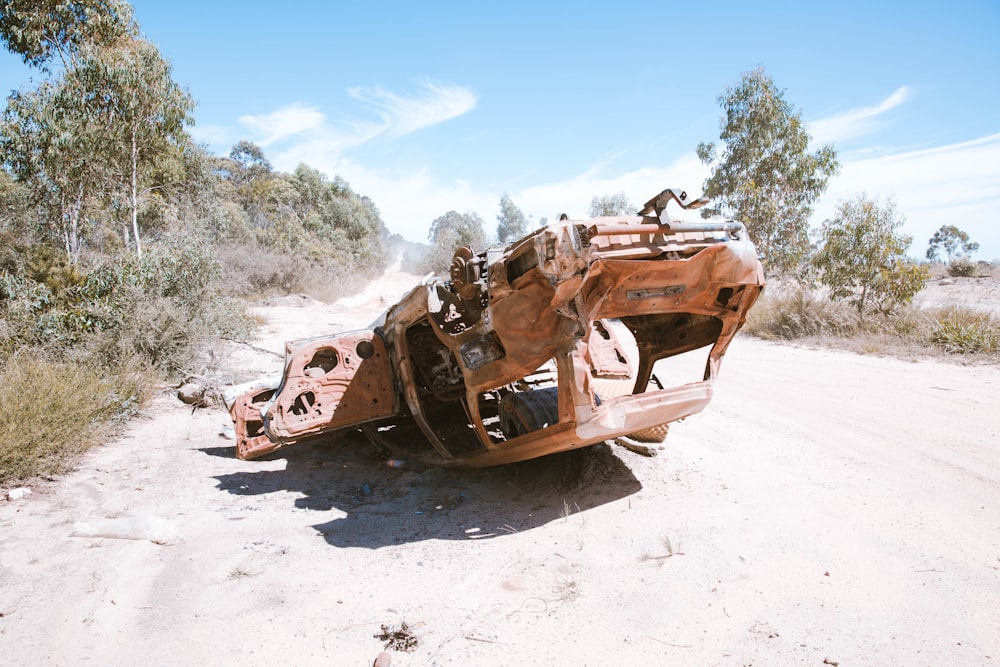
Reconciliation is a process that begins with the recognition that something has gone wrong. The hurt that exists in a relationship has to be exposed in all its ugliness and painfulness, and the person or persons who caused that hurt have to acknowledge the fallout that their actions have caused. When we’re honest, we all recognize the capacities that we have to intentionally or unintentionally wound other people, even those who we love most. We don’t love others (or God) like we should. Sometimes we’re downright cruel to them. The process of fixing what’s been torn in our relationships isn’t easy. It’s messy, awkward, frightening, and often deeply painful, like a visit to the dentist. In his book Life Together, Dietrich Bonhoeffer described the acknowledgement of wrongdoing and its consequences as a kind of death:
Confession in the presence of a brother is the profoundest kind of humiliation. It hurts, it cuts a man down, it is a dreadful blow to pride… In the confession of concrete sins the old man dies a painful, shameful death before the eves of a brother. Because this humiliation is so hard we continually scheme to avoid confessing to a brother.
I hate having to apologize to the people I’ve wronged. It hurts. It means shining a flashlight beam on the skeletons in my closet – dragging what’s dark and ugly in me out into the light of day. But the pain that results from this honesty is the first step toward restoration. Andy Gullahorn and Jill Phillips express this reality beautifully in their song “Any Other Way”:
Gaining back the trust we lost
Was harder than just losing it
But if we want to change at all
The pain was a prerequisite
Similarly, C.S. Lewis captured the weightiness of reconciliation powerfully in his story The Voyage of the Dawn Treader. In that story, in order to be transformed from a terrifying dragon back to his human form, Eustace Scrubb has to endure the claws of Aslan, the Great Lion and King of Narnia, ripping his scaly hide away. Redemption begins when we take an honest, hard look at the cracks in our hearts, and then allow the light to expose them. In some way or another, we’re all outlaws – on the run with guns blazing, dogged by memories of deeds that we can’t take back, trying desperately to cover our tracks. We can’t slow down, because when we do, the same old ghosts are there beside us. Can we really face the ruin that we’ve left in our wake?
Receiving the Kiss of Welcome

My favorite passage in the Bible is Jesus’ parable of the prodigal son. In the story, a rebellious young man decides to return home after recklessly squandering his inheritance and dishonoring his father. He plans to make a formal apology upon his return and plead for a second chance. But he’s startled when his dad acts in a way that he never anticipated:
And he arose and came to his father. But while he was still a long way off, his father saw him and had compassion, and ran and embraced him and kissed him. (Luke 15:20).
I have a really hard time receiving grace. It’s easier for me to forgive others than to forgive myself. When I mess up, I tend to beat myself up about it. I struggle to fix the mistakes that I’ve made, worried that I haven’t done enough to right my wrongs. Like the young man in the parable, I want to come to others and to God with a solemn and carefully planned apology, afraid of lessening the love of those who care about me. Yet, in this simple story, Jesus blows my narrow ideas about what his love looks like out of the water, revealing it to be something deeper and stronger than I could have dared to hope. In his book The Ragamuffin Gospel, Brennan Manning explains the power of this simple story:
I am moved that the father did not cross-examine the boy, bully him, lecture him on ingratitude, or insist on any high motivation. He was so overjoyed at the sight of his son that he ignored all the canons of prudence and parental discretion and simply welcomed him home. The father took him back just as he was.
What a word of encouragement, consolation, and comfort! We don’t have to sift our hearts and analyze our intentions before returning home. Abba just wants us to show up. We don’t have to tarry at the tavern until purity of heart arrives. We don’t have to be shredded with sorrow or crushed with contrition. We don’t have to be perfect or even very good before God will accept us. We don’t have to wallow in guilt, shame, remorse, and self-condemnation. Even if we still nurse a secret nostalgia for the far country, Abba still falls on our neck and kisses us.
With all that we’ve done and failed to do, forgiveness and a reconciled relationship with the Creator are extended to us where we are, not where we wish that we were. God’s grace, embodied in the death of Jesus Christ for the sins of the world, is truly amazing. However, believing that God really loves us, and that his love for us doesn’t at all depend on us, can be pretty tough for some of us. Can we stop running from the law? Can we lay down our weapons and give up the fight to earn the love of God and other people? If we do, we might just find that the One who’s been tracking us all along isn’t out for our blood. He’s already taken the bullet for us, paying for our release with his blood. He’s on a rescue mission. We’re wanted: just as we are.
Embracing the Outlaw

What do we do when we become reconciled to God? What do we do when we encounter the shocking kiss of welcome? Simple: we pass it on. Jesus said as much to his followers: “A new commandment I give to you, that you love one another: just as I have loved you, you also are to love one another” (John 13:34). St. Paul said it too: “All this is from God, who reconciled us to himself and gave us the ministry of reconciliation…” (2 Corinthians 5:18). We don’t love people because they’re lovable or successful or beautiful or anything else. We love people simply because God loves them. We even love our enemies because, amazingly, God loves his enemies too (Matthew 5: 43-45). No human being on this earth is beyond the reach of his grace.
How do we love others? Like Jesus did – in many small, concrete ways. We show them that they are valued by caring for their spiritual, physical, and emotional needs. We love them patiently, in spite of their failures. We love them unconditionally. While before we were hostile to others and to God, we can extend radical forgiveness and welcome to others because we’ve been radically forgiven and welcomed. As those who have been reconciled to God, we can become ambassadors of that reconciliation to the rest of the world. We’re outlaws on the hunt for other outlaws, carrying an unbelievable message of undeserved pardon and unearned freedom. Can we see ourselves in their eyes?
We serve a God who loves outlaws – no matter what they’ve done and no matter where they’re at. And doggone it, that’s one heck of a message to share, partner.
 Words for Wayfarers